
More Network States Are Closer Than We Think

For years, the idea of creating a new society from scratch felt like the stuff of science fiction. Today, I think we are much closer to seeing more Network States move from theory into reality. The pressures of rapid technological change, growing institutional distrust, and unmanageable urban dysfunction are making these new social and political experiments more relevant by the day.
When I look at the world’s major cities, what stands out is not just the mismanagement of public transportation or the rising cost of housing. It is the gridlock in policy and leadership. Many city governments seem unable to respond to the rapid pace of change, whether that is the offshoring of jobs, rising migration, or a growing sense that public institutions are simply not serving most people. In some cases, cities are actively prioritizing the needs of non-citizens who refuse to assimilate, or they are turning a blind eye to criminal behavior, creating frustration for those who actually live and work there. When leaders are more accountable to activist coalitions, donors, or outside interests than to their actual constituents, something has gone wrong at a foundational level.
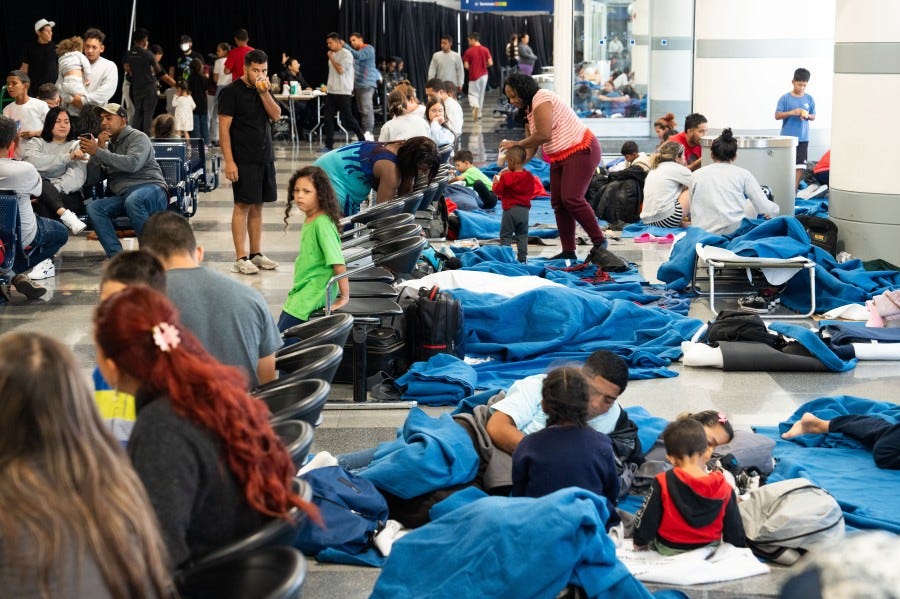
It is not surprising that so many people feel the urge to look for a way out. Network States, as I see them, are an emerging systems response to the failures of legacy governments. Rather than trying to fix deeply broken urban politics or endlessly debate policies with entrenched interests, people are asking: what if we could just start over somewhere new? What if technology and new forms of social organization could let us build a society that actually works for its members? Many of these concepts are not groundbreaking. We can use history or just our common sense to know that having safe places to live and allowing free enterprise are key aspects of a successful society.
A Network State, as described by Balaji Srinivasan and others, is not just a digital community. It is a real group of people, connected by shared values, who coordinate online and offline to build something tangible. That means a new city, a new set of rules, and a new way of living together. These communities are not waiting for permission from the usual authorities. Instead, they use private governance, digital tools, and financial innovation to bypass old bureaucracies entirely.
In the past, creating a new city or society was limited by geography and politics. Now, thanks to new technologies and financial networks, it is possible for small groups to pool resources, buy land, set up new governance structures, and attract global talent. In the long run, I think it may be easier to set up a functioning Network State in suburban Illinois than to fix the disaster that is Chicago politics. Starting something new has always been one of the most powerful responses to entrenched failure.
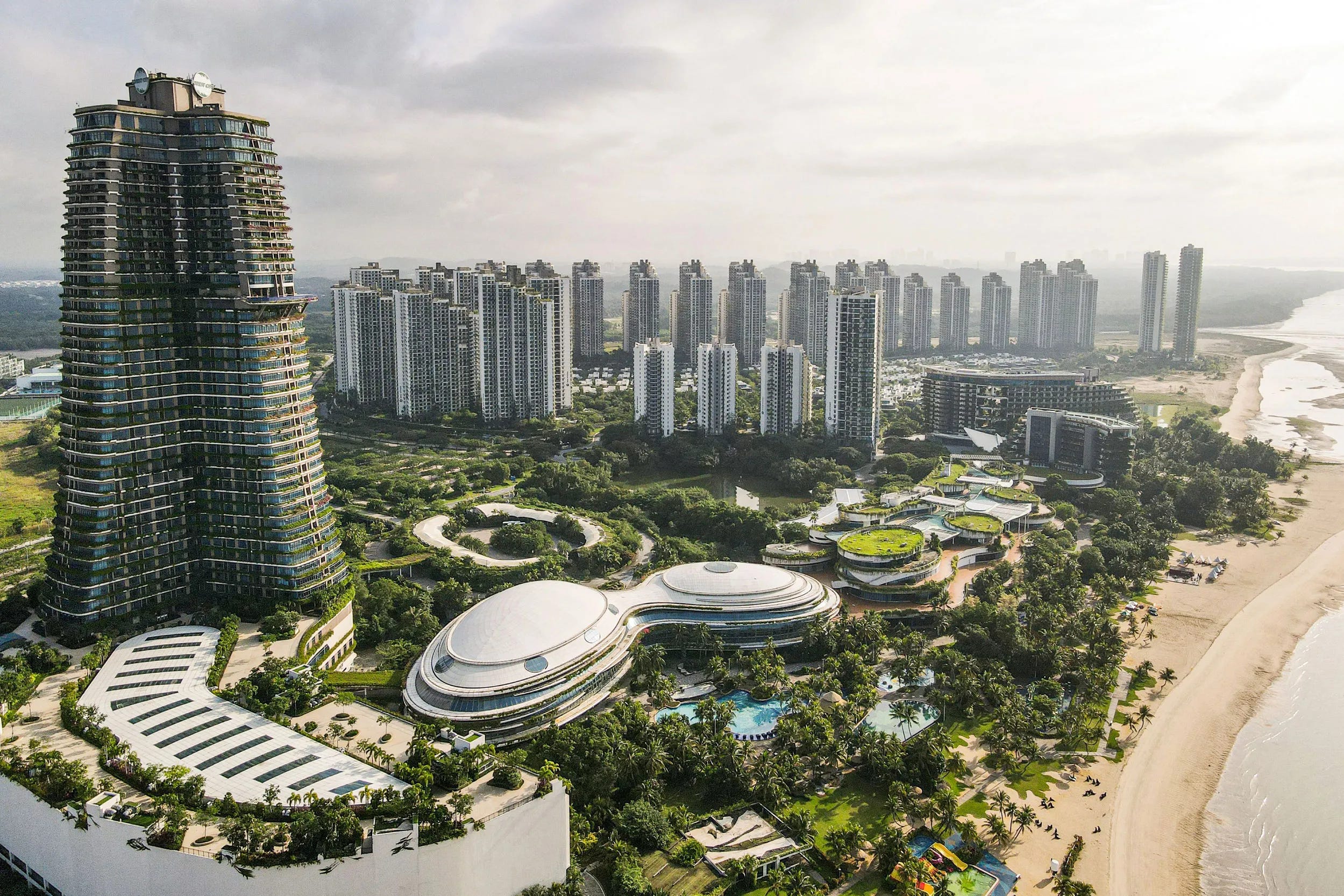
Charter cities and special economic zones have already shown that new rules and new leadership can create better results. Próspera in Honduras stands out as a proof of concept. Despite all the challenges, Próspera has demonstrated that with the right legal framework, private capital, and leadership, a new city can attract investment, encourage innovation, and provide a better quality of life for its residents. It is not perfect, but it is functioning and has already achieved more than many “reform” efforts in failing cities. Próspera may end up being a blueprint for what is possible, not just in Latin America, but anywhere that existing systems are unable or unwilling to adapt.
I do not think this trend will remain niche for much longer. The migration of people and capital away from dysfunctional cities and states is already underway. Remote work, distributed teams, and global capital flows are enabling people to participate in these new communities without uprooting their entire lives. At the same time, the cost of staying in a broken system, whether that means paying ever higher taxes, putting up with crime, or accepting a declining quality of life, keeps rising. At some point, more people will realize that the most rational solution is to simply exit and join something better.

Critics argue that Network States are just for the wealthy or tech-savvy. I do not buy this. As costs come down and more experiments succeed, I think there will be templates for a variety of groups, whether that is artists, professionals, or families seeking a stable place to live and work. Over time, successful models will scale and replicate. Charter cities will stop being a fringe concept and become a practical option for those who want to participate in a well-run society, free from the legacy burdens of dysfunctional politics.
We are entering an era where the only real barrier to building better communities is the willingness to take action. The old cities and states are showing us what happens when systems become too slow, too corrupt, or too captured by special interests to serve their citizens. Network States and charter cities offer a systems-level escape hatch. They are not just utopian fantasies, but increasingly necessary alternatives. I think the next decade will show just how viable they can be.